Certification Of Evaluation Aapptec
The first things to check are the peptide name, batch or lot number, and the date of evaluation. Customers need to after that evaluate the reported approach, such as HPLC or LC-MS, and validate that the paper appears tied to the precise product being offered. A COA is most beneficial when it is clear, specific, and simple to attach to the distributor's item listing. A supplier can present a document classified as a COA, however that does not instantly make the paperwork reputable. Purchasers ought to still check whether the file is batch-specific, GHK-Cu readable, full, and regular with the item being sold. Missing batch numbers, uncertain methods, obscure dates, or generic-looking documents can all decrease self-confidence in the usefulness of the paper.Purity Outcome
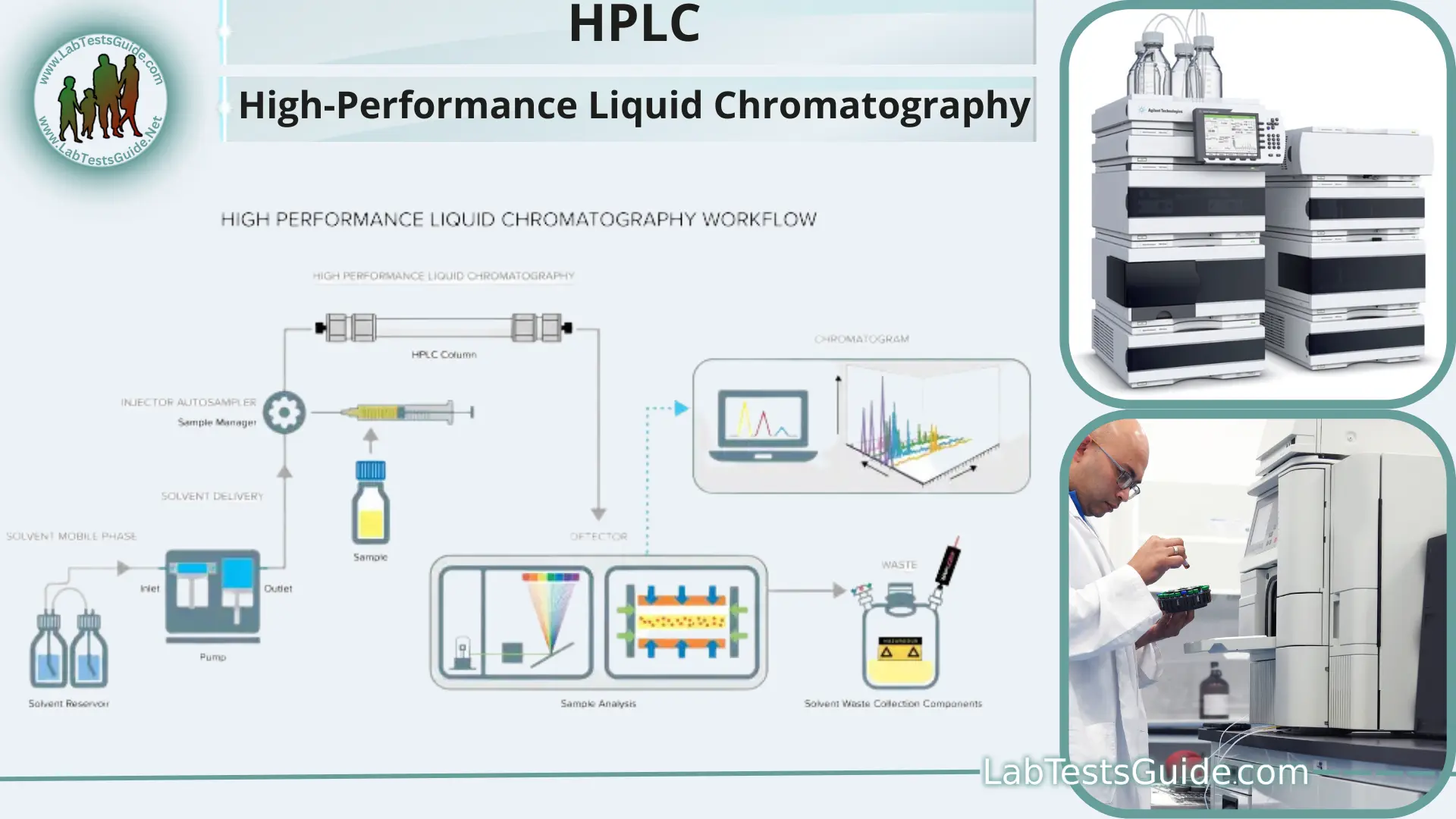
- Independent testing supplies an additional layer of verification.Third-party testing might include another degree of confidence for buyers who want added splitting up between the vendor and the logical record existing.For purchasers assessing a COA, this makes LC-MS especially beneficial when identity issues, not just purity.The record usually identifies the research laboratory responsible for carrying out the evaluation.Genuine laboratories maintain internet sites with proven physical addresses and certification certifications.
Concerns Concerning Our Screening?
Nonetheless, identify that research laboratories do upgrade their reporting layouts regularly. Validating COA authenticity requires methodical cross-referencing and, when possible, independent confirmation. Begin by confirming the screening lab exists and maintains existing certification. The fundamental purpose of a COA extends past mere regulatory conformity. It gives proven evidence that the peptide you get matches what was purchased, consists of the mentioned purity degree, and is without unsafe pollutants. If the COA includes really restricted method information, vague testing references, or obscure lab information, it ends up being more difficult to assess the logical context behind the result.
This number needs to match precisely in between the COA and the item tag. Production and expiry days establish the item's age and remaining service life, with most lyophilized peptides maintaining security for months under proper storage conditions. In the peptide industry, research-grade pureness levels over 90% are typically acceptable, with 95%+ taken into consideration high quality.
A certificate of analysis, or COA, is a paper that summarizes particular logical results for a given product or set. In the peptide context, it often includes purity information, whole lot or batch information, test dates, and the logical technique made use of to generate the reported outcome. The record normally recognizes the research laboratory responsible for carrying out the analysis. Laboratories, scientists, and organizations that collaborate with research study peptides rely on standardized analytical documents to verify the identity and high quality of research study materials. Among the most important records used in this verification procedure is the peptide certification of analysis, frequently described as a peptide COA.